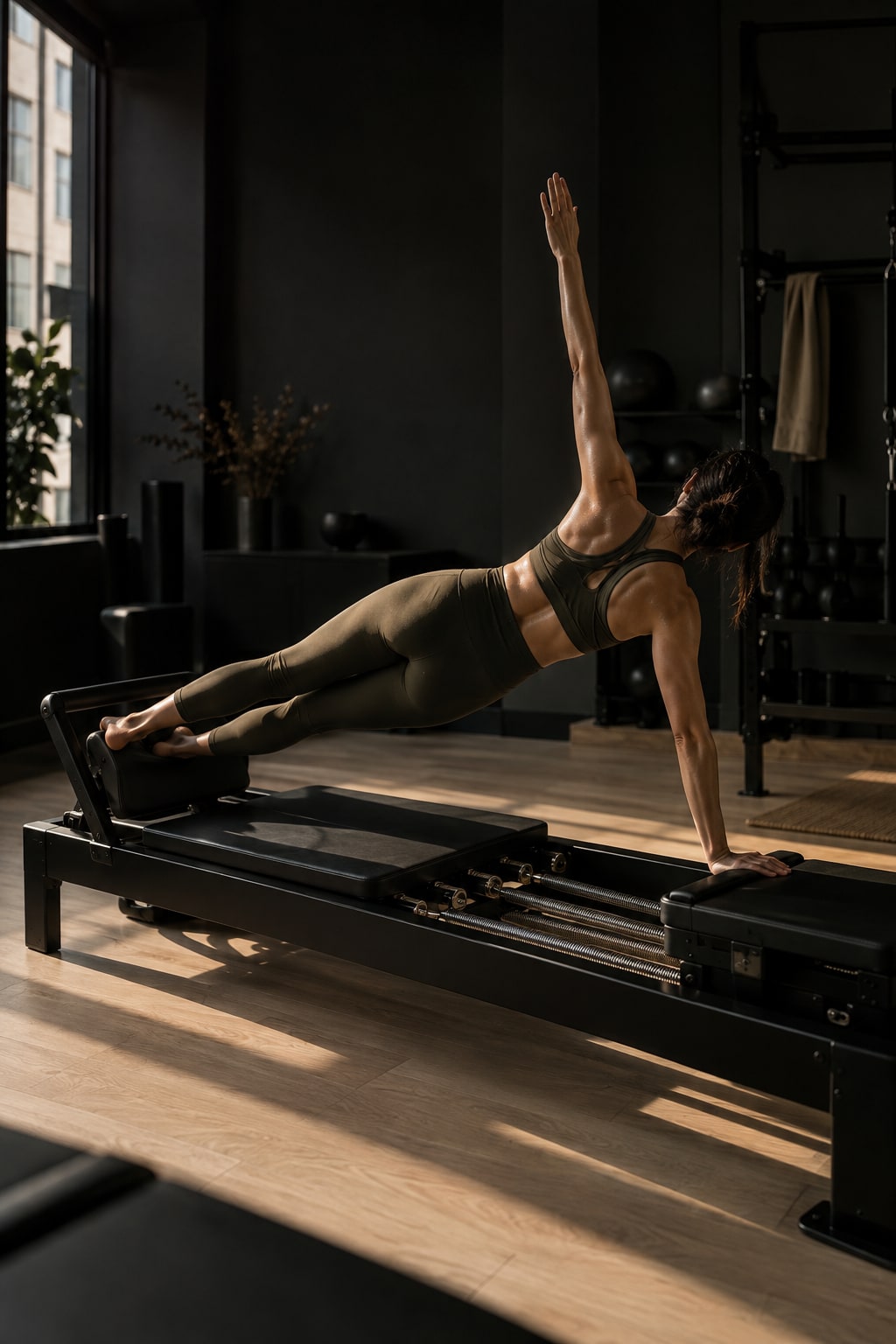
Why strength training matters after 40
Muscle is not about looks. It is what lets you carry the shopping, get up off the floor and stay independent for longer. A plain guide from our strength coach, Marcus.

At least once a week someone at the front desk tells us they are "too old to start lifting". They are usually in their forties or fifties, and they are exactly the people who should be lifting. Here is why, and how to start without getting hurt.
What changes after 40
From around our thirties, most of us slowly lose muscle if we do nothing to keep it, and the loss speeds up as we get older. Bones get thinner too, especially for women after menopause. None of it happens overnight, so it is easy to miss. It shows up years later: a sore back from lifting a suitcase, a low chair that is suddenly hard to get out of, a fall that takes months to recover from.
The good news is that muscle and bone respond to training at any age. People who start in their sixties and seventies still get stronger. You do not lose the ability to improve. You only lose it if you stop asking your body to do anything hard.
What it does for you
- Everyday strength: stairs, groceries, grandchildren, a suitcase into the overhead locker.
- Stronger bones. Carrying weight is one of the clearest signals your bones get to stay dense.
- Kinder joints. Strong muscles around the knees, hips and shoulders take pressure off them.
- Better balance, which is what stops a slip from becoming a fall.
- Steadier blood sugar and better sleep. Muscle is where much of the sugar in your blood gets used.

How to start, safely
You do not need to lift heavy on day one. You need to learn the basic movements well, then add weight slowly. In our Strength class the first few weeks are built on five patterns that cover almost everything you do in daily life:
- Squat: sitting down and standing up.
- Hinge: picking something up off the floor with a flat back.
- Push: closing a heavy door.
- Pull: lifting a bag up onto the table.
- Carry: the shopping from the car to the front door.
Two sessions a week is enough to see real change. Pick a weight you could lift a few more times than the coach asks for. When that feels easy two weeks in a row, go up a little. That is the whole method.
The best time to start was ten years ago. The second best time is this week.
A few honest warnings
- If you have a heart condition, high blood pressure, or a recent injury or operation, talk to your doctor first, and tell your coach before class.
- Some soreness a day or two later is normal. Sharp pain during a lift is not: stop and tell us.
- Warm up. Every time. Marcus will notice if you skip it.