How we make our sourdough
Three ingredients, two days and a starter older than the café. The bread under the Big Breakfast and the Smashed Avocado, step by step.
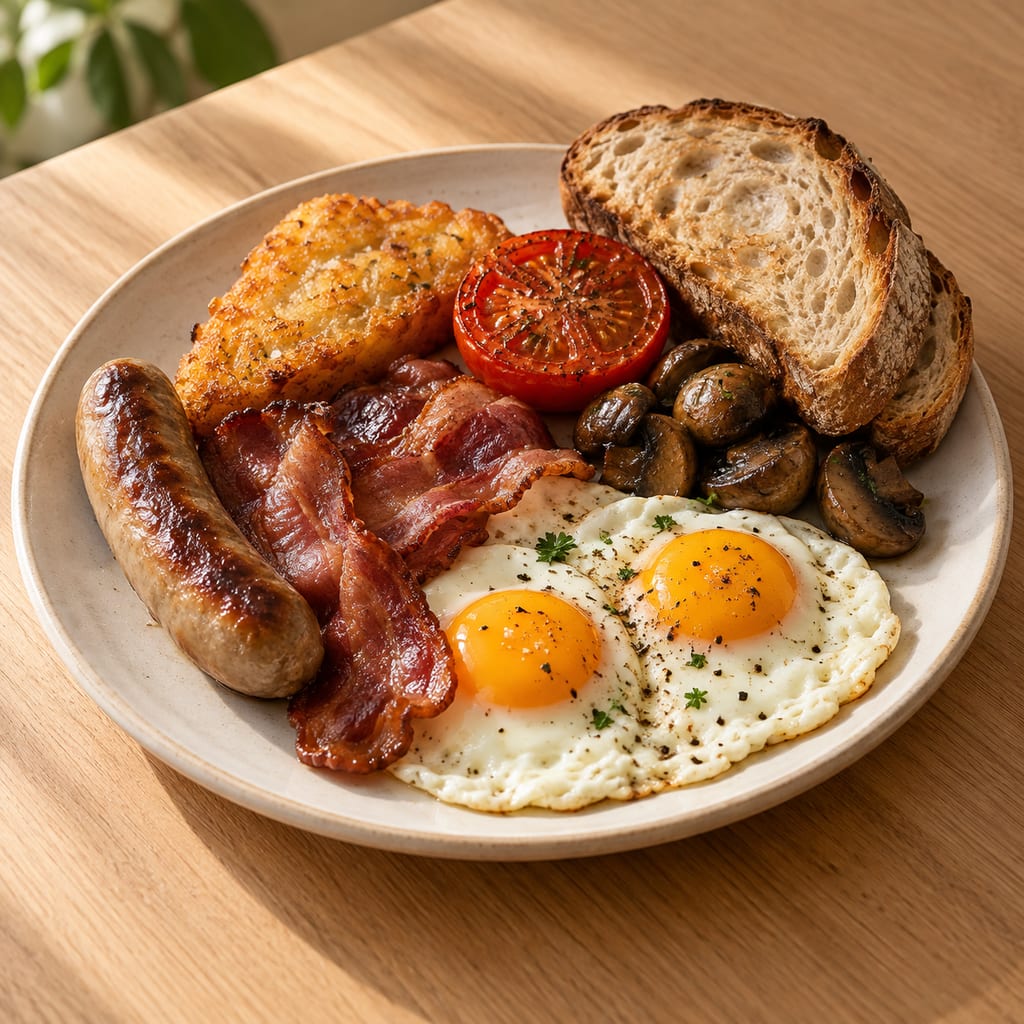
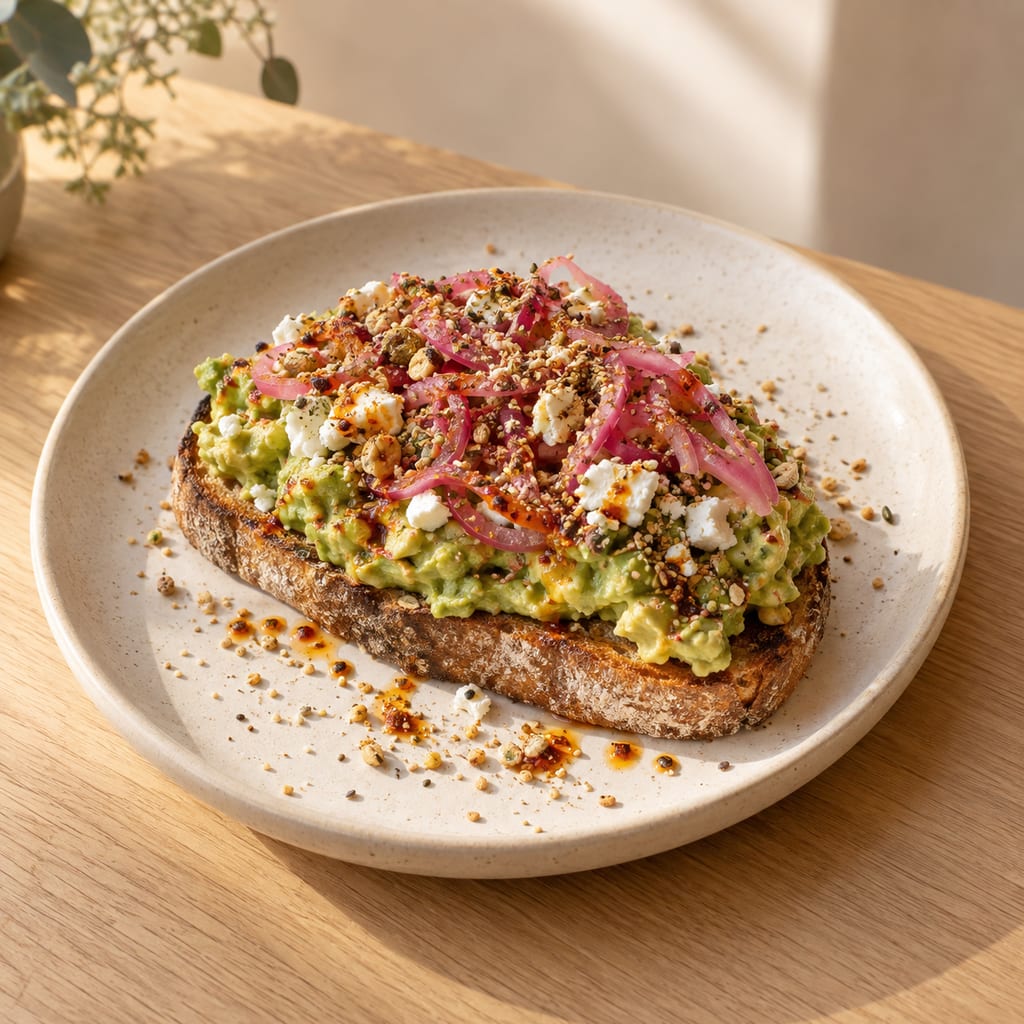
Every slice of toast at Linden Lane is cut from a loaf baked in our kitchen that morning. It sits under the Big Breakfast, the Smashed Avocado and the eggs, and it is the one thing on the menu we would never buy in. Here is how a loaf gets made, from the jar on the shelf to your plate.
It starts with Wilfred
Our starter is called Wilfred. He is a jar of flour and water that has been bubbling away since 2019, two years before the café opened, when our baker Hui Min started him on her kitchen counter at home. Wild yeast from the flour and the air does all the work of making the bread rise, and gives it that gentle sourness.
We feed Wilfred twice a day with equal weights of flour and water. In a warm kitchen he doubles in about four hours, much faster than the baking books say, so we keep an eye on him the way you would a toddler.
Day one: mix, fold, wait
- Mix. Strong white flour with 15% wholemeal for flavour, water and a scoop of lively starter. It rests for an hour before the salt goes in, so the flour can soak up the water properly.
- Fold. Four times, half an hour apart, we stretch the dough up and fold it over itself. No machine. By the last fold it is smooth, springy and full of air.
- Shape. Each loaf is shaped by hand, dusted with rice flour so it does not stick, and set in a cane basket.
- Rest in the cold. The baskets go into the fridge overnight for about 14 hours. This slow, cold rest is where the flavour comes from, and the crust that bakes deep brown.
Day two: bake
At six the next morning the oven is hot and the loaves go in straight from the fridge, scored with a razor so each one opens along a single clean ridge. Steam for the first twenty minutes keeps the crust soft enough to rise; then we let it dry out and darken. Forty-five minutes in all.
The hardest part comes next: waiting. A loaf keeps cooking as it cools, and cut too early the inside is gummy. Ours rest for at least two hours before the first slice.
Flour, water, salt and time. The time is the only expensive ingredient.
Why it is worth the fuss
A long, slow rise does more than taste good. Many people find sourdough easier to digest than a quick supermarket loaf, and it keeps better too: a loaf is still good for toast four days later.
Take a loaf home
On Fridays and Saturdays we bake twelve extra loaves, S$12 each. Ask at the counter, or call ahead and we will put one aside with your name on it. When they are gone, they are gone until the next bake.